Electric aircraft for versatile applications
- Overview
- Gallery
- Specifications
Main facts
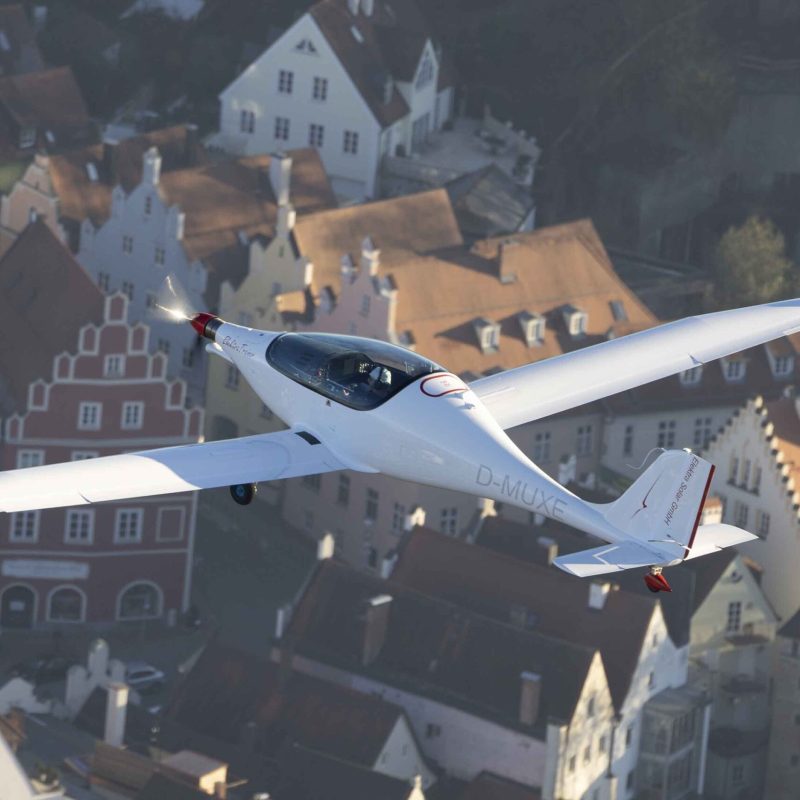
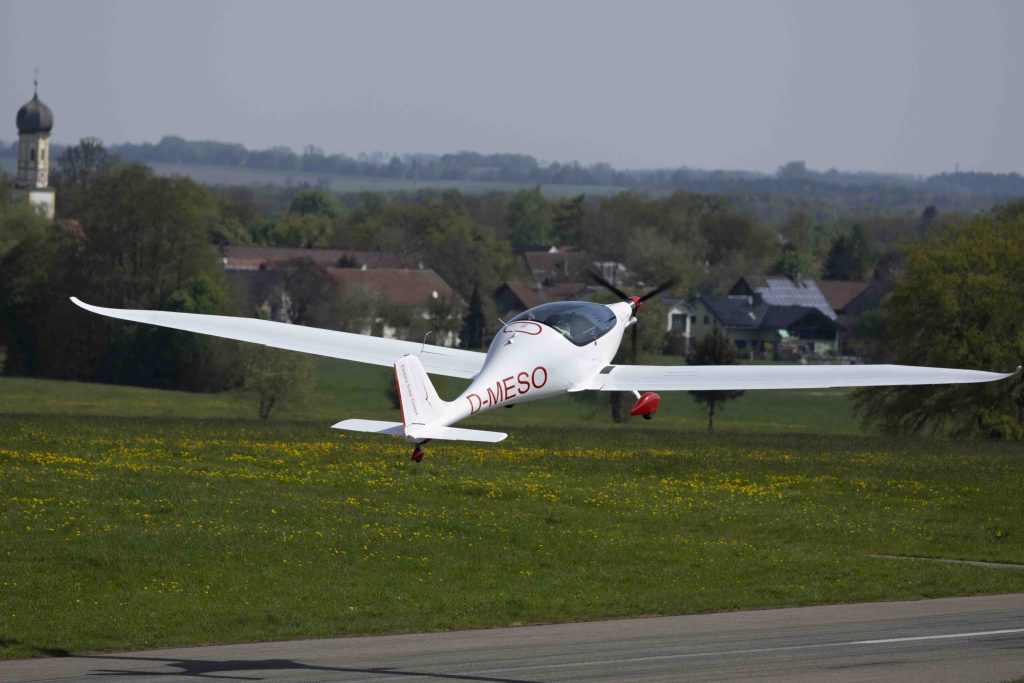
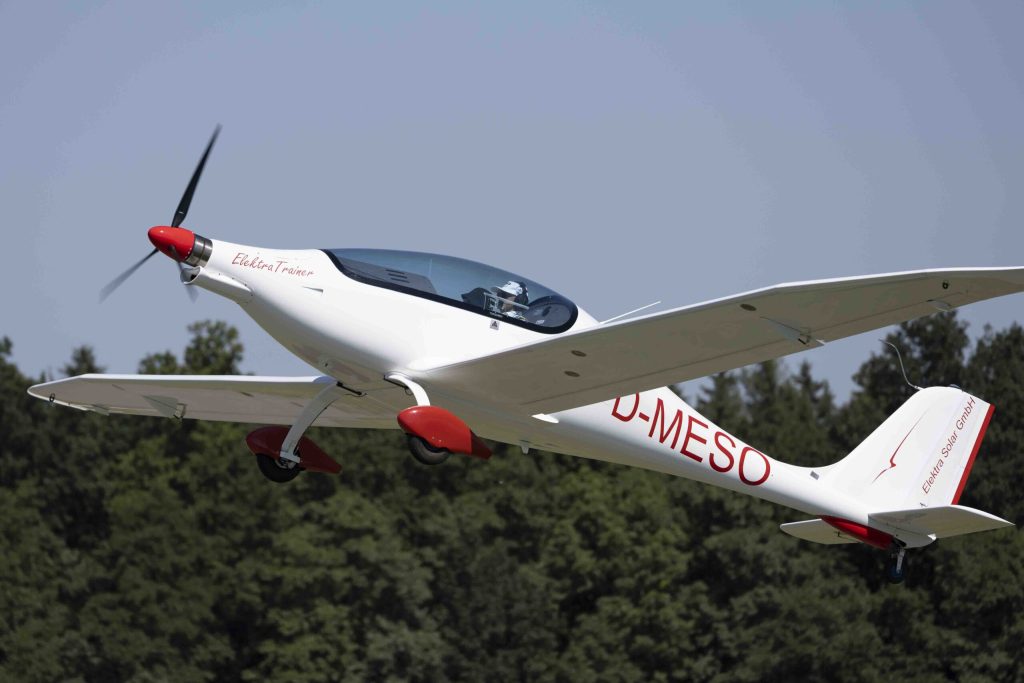
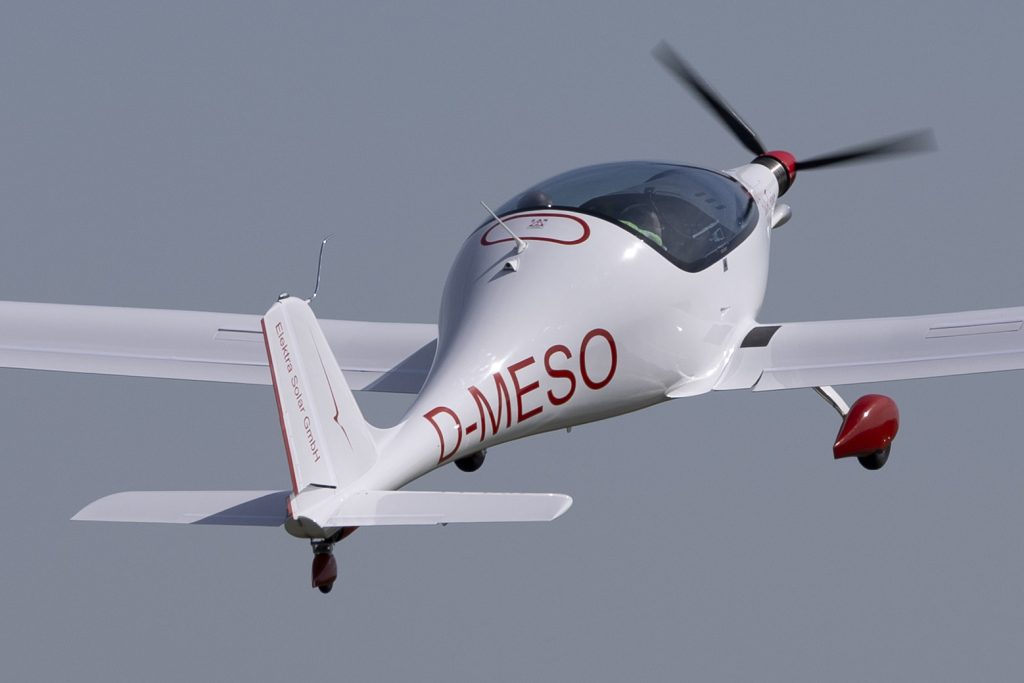
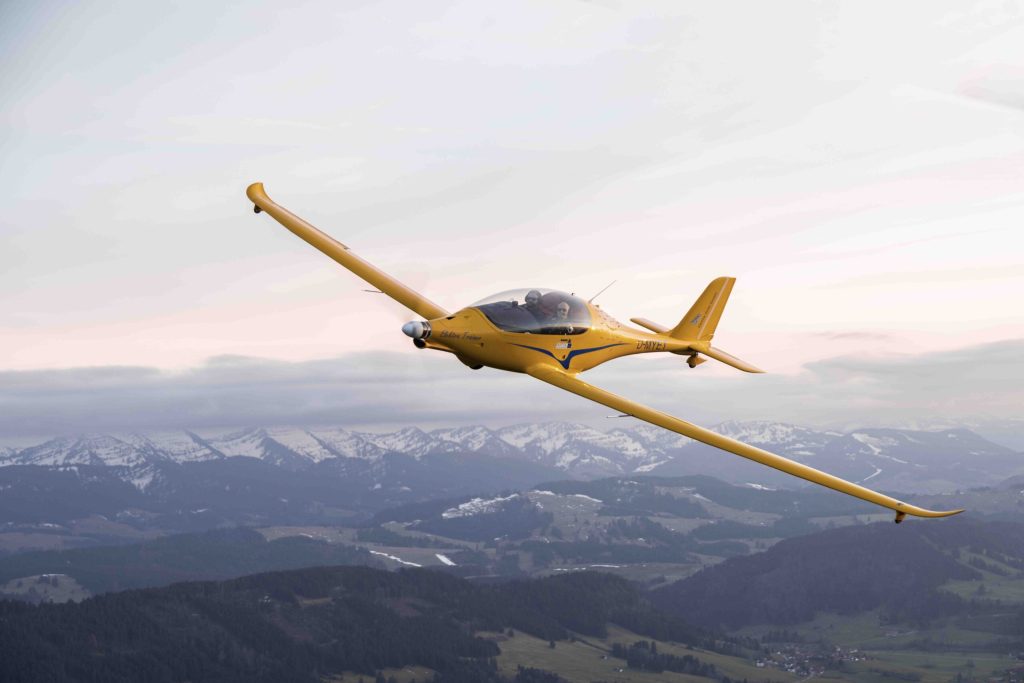
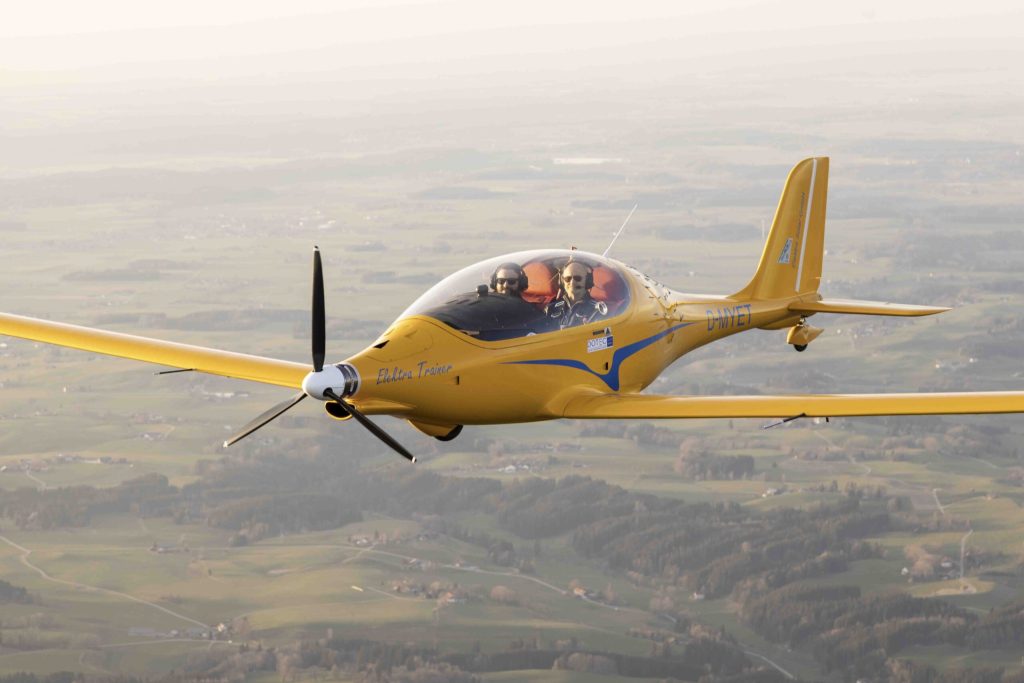
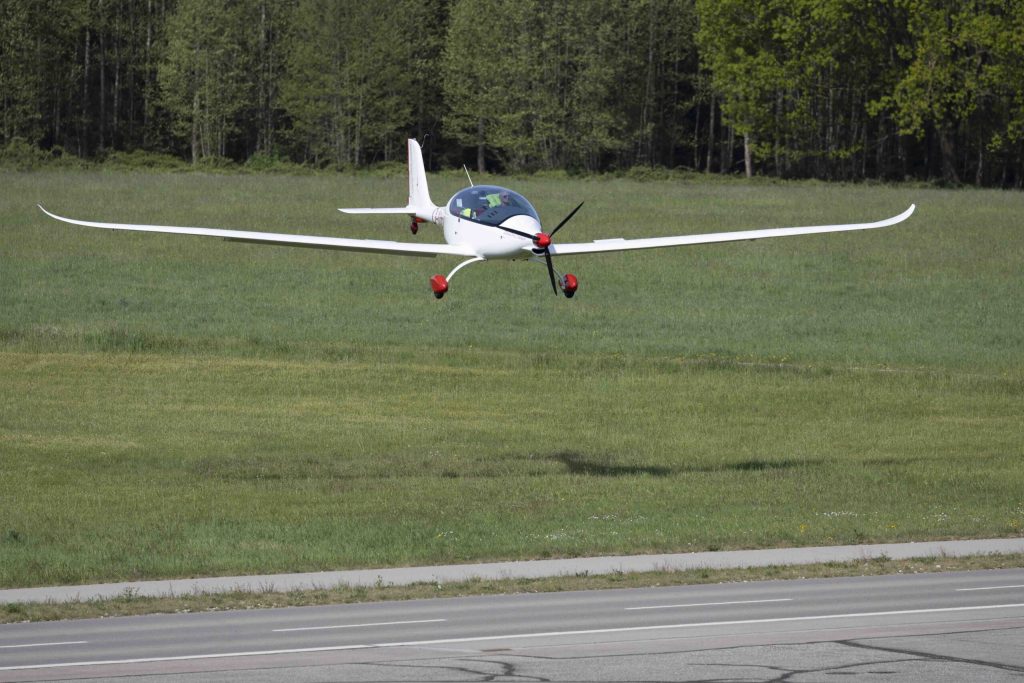
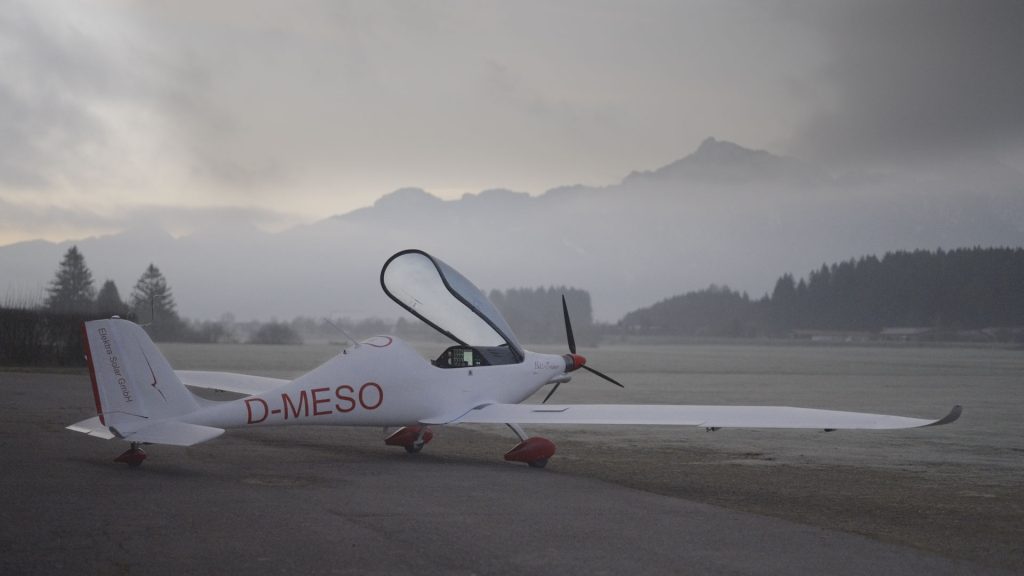
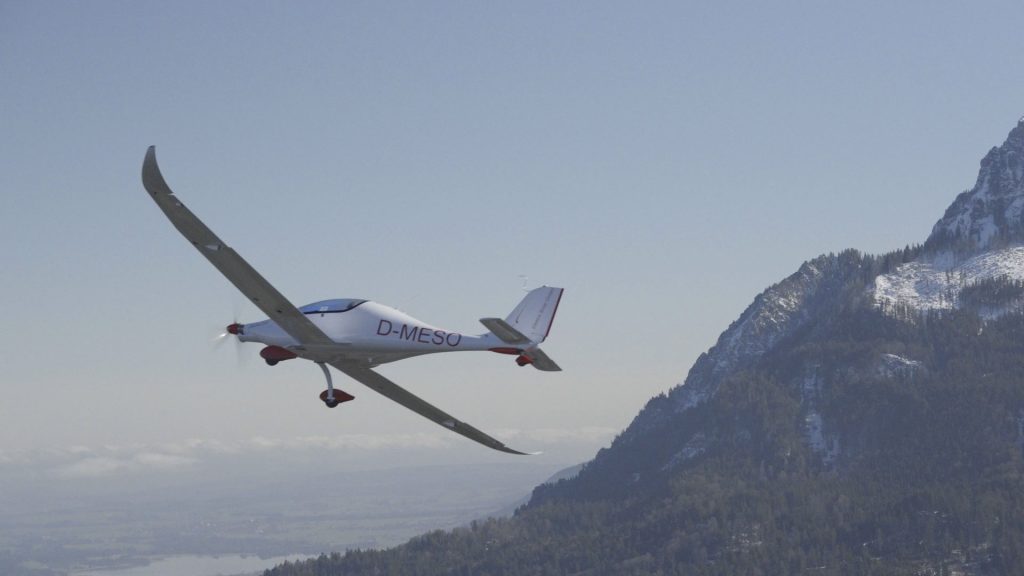
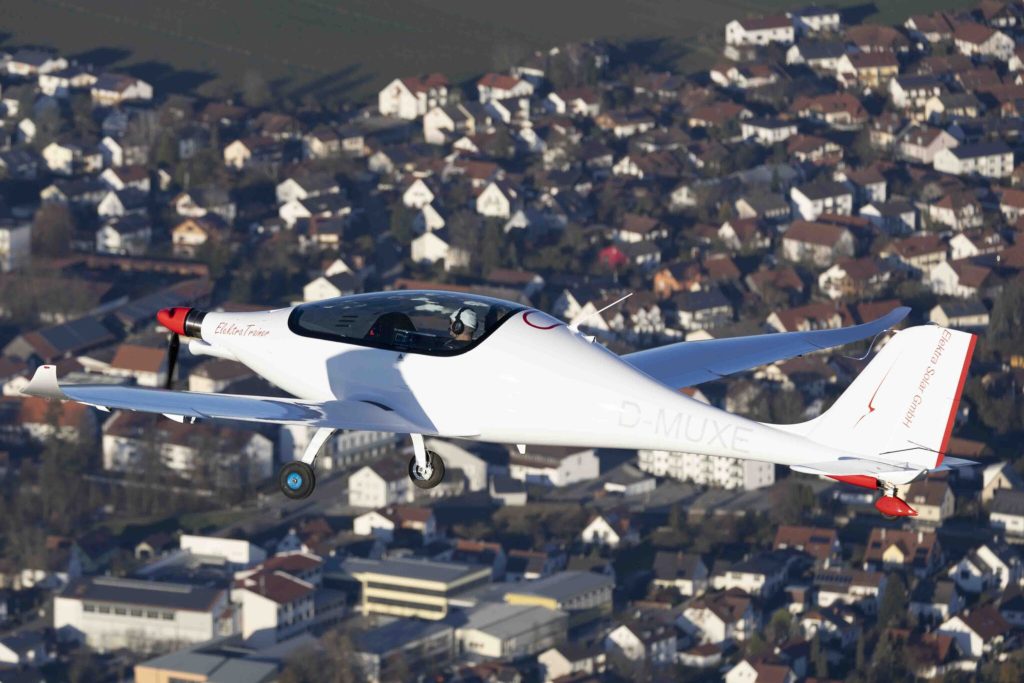
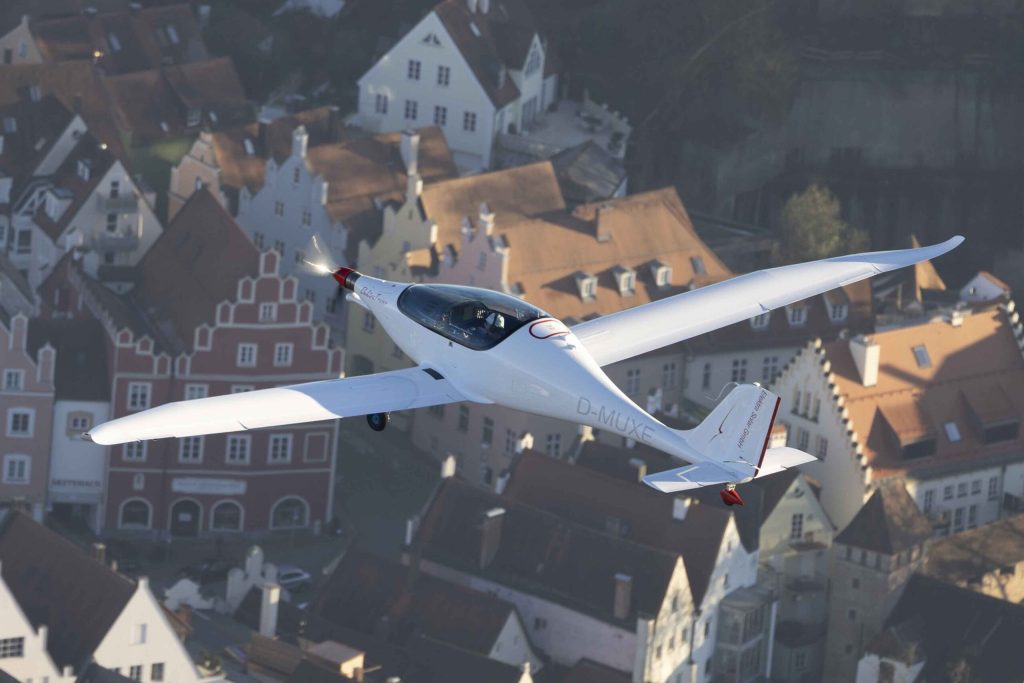
The Elektra Trainer is a modified version of Elektra One, flying since 2011 and is certified in the German ultralight class.
A wider, longer fuselage and reinforced wings make the difference to Elektra One.
The 12 kW incorporated charging system
recharges the empty battery within 3 hours. One hour charge – One hour flight
The standard battery of 30 kWh provides a flight endurance of 2.5 hours and a range of up to 300 km.
The high-end aerodynamics,
an impressive glide ratio of about 20 with spinning propeller
and an efficient propulsion system
ensure the 120 km/h cruise flight with only 12.5 kW.
Optional two additional battery packs
of 3 kWh each increase the
flight endurance to 3 hours.
Extremely low noise level
50 dB noise level (German LTF-UL 2020) – moderate rainfall noise. Operation in noise protected areas possible.
Operation costs
The operation costs are significantly lower compared to UL of similar class with combustion engine.
Redundancy
Dual redundant propulsion system. Each of two subsystems is composed of motor, motor controller, battery. Dual redundant power supply for avionics and autopilot. In case of failure of motor, motor controller, battery or all of them in one subsystem, the aircraft is able to climb with at least 1.5 m/s.
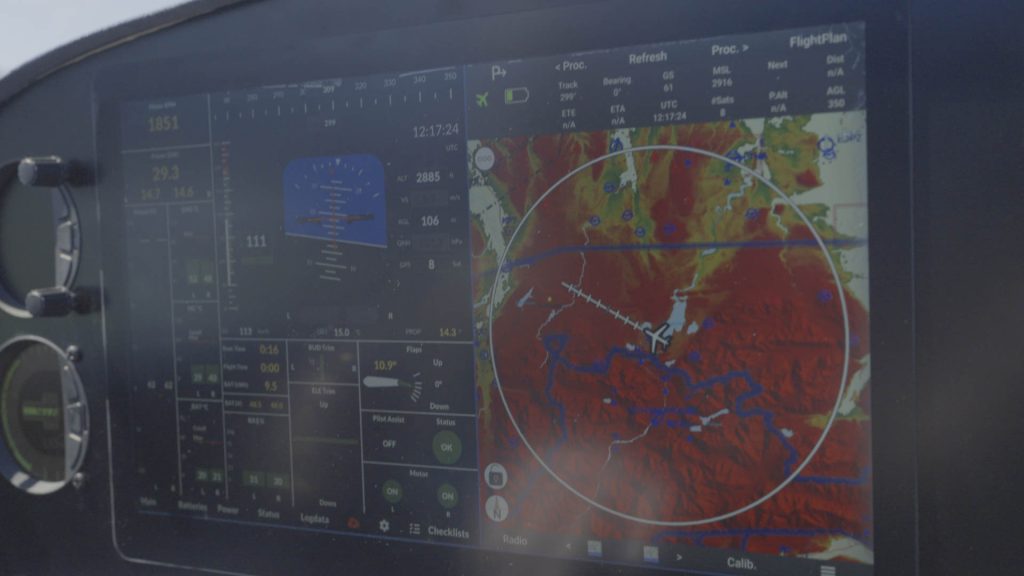
Digital Aircraft Platform (DAP)
- Performs real-time analysis and logging of propulsion system data
- Provides intelligent assistance to the pilot in case of system warnings and errors
- Simplifies aircraft inspection and maintenance
- Performs long term analysis of the state of propulsion system components
- Provides web-interface for visualization and analysis of the flight data
Other highlights
- Overall system design optimized for electric flight
- Robust lightweight carbon composite structure
- Thrust reversal for very short landing strips
- Air brakes
- Autopilot
- Variable pitch propeller
- Towing device for gliders
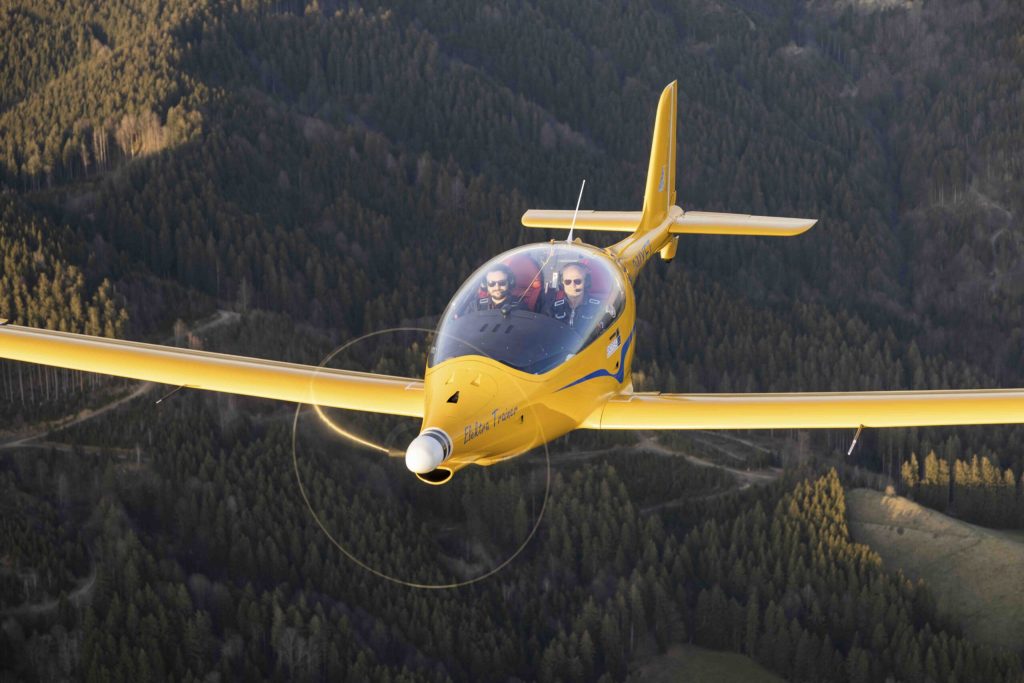
- Large cabin (1.20 m wide) accommodating even 2 m tall pilots
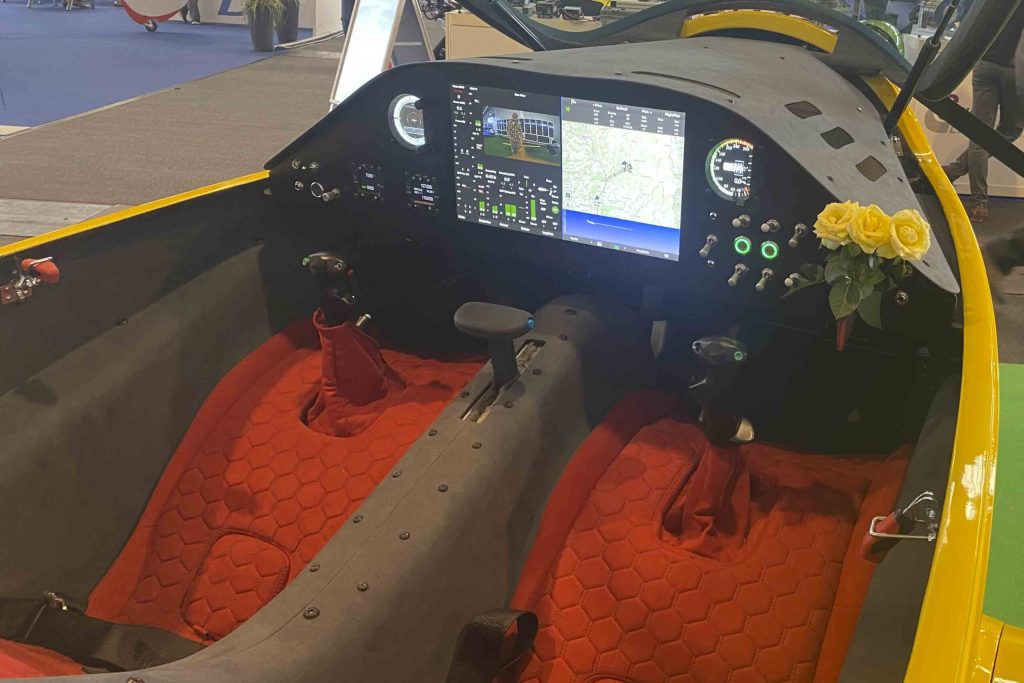
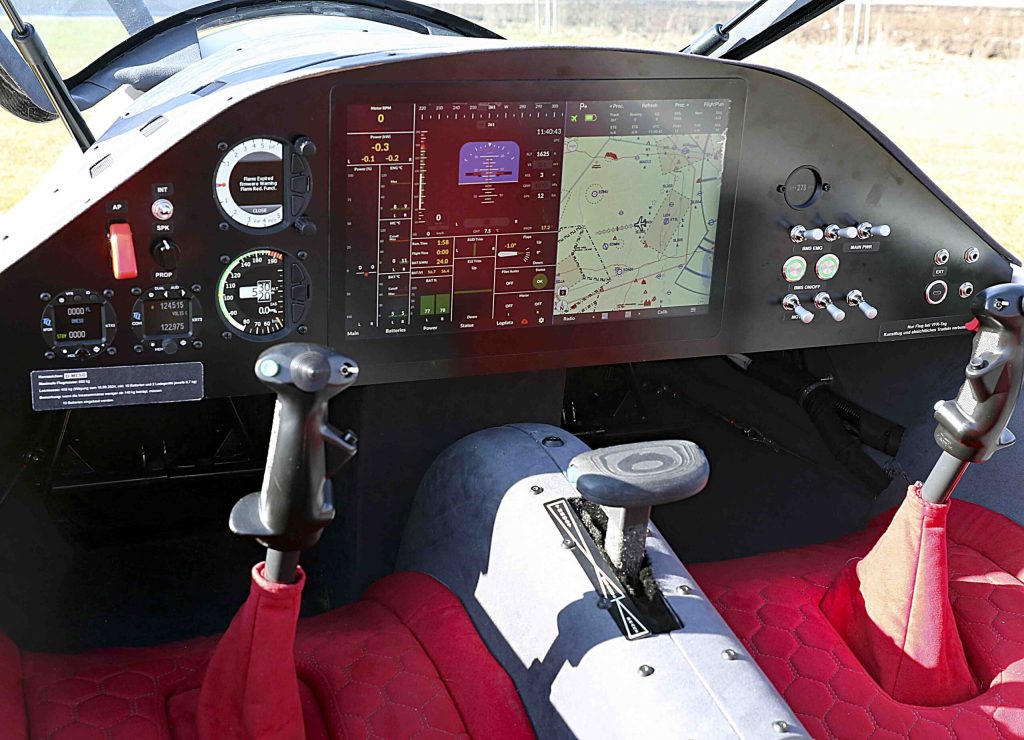
- Glass cockpit with 15.6” Full HD display with touchscreen
- HOTAS Control: ergonomic stick and power lever to control core functions like power, reverse, brakes, and trim – as well as the main menu on the central display
- Simple logistic: can be transported in a glider-like trailer, assembly time of 45 min. by a single person
| Category | Parameter | Technical Specification |
|---|---|---|
| Flight Performance | Cruise speed | 120 km/h |
| Stall speed VS0 (flaps extended) | 80 km/h | |
| Stall speed VS1 (flaps retracted) | 90 km/h | |
| Max. operating speed (max. continuous power) | 180 km/h | |
| VNE (never exceed speed) | 180 km/h | |
| Max. climb speed (max. power) | 6 m/s | |
| Max. climb speed (max. continuous power) | 3 m/s | |
| Takeoff & Landing Performance | Take-off distance (over 15 m, grass runway) | 285 m |
| Take-off distance (over 15 m, concrete runway) | 250 m | |
| Landing distance | 200 m | |
| Range & Endurance | Max. flight duration (w/o additional batteries) | 2.5 hours |
| Max. flight range (w/o additional batteries) | 300 km | |
| Power Plant | E-motor | HPD-50D |
| Max. peak power | 70 kW | |
| Max. continuous power | 40 kW | |
| Cruise power at 120 km/h | 12 kW | |
| Battery capacity (standard) | 30 kWh | |
| Battery capacity (with two additional battery blocks) | 36 kWh | |
| Weights | Max. take-off weight (MTOW) | 600 kg |
| Empty weight (with battery) | 400 kg | |
| Pilot + payload weight | 200 kg | |
| Fuselage Specifications | Wingspan | 14.5 m |
| Length | 6.88 m | |
| Height | 1.56 m | |
| Electric variable pitch propeller | 1.75 m diameter | |
| Cabin width | 1.20 m | |
| Core Capabilities | Best glide ratio | 25 |
| Noise level | < 50 dB | |
| Certification | LTF-UL-2020 (German ultralight class) |